Should Your Website Have a Blog? Here’s the Case For It
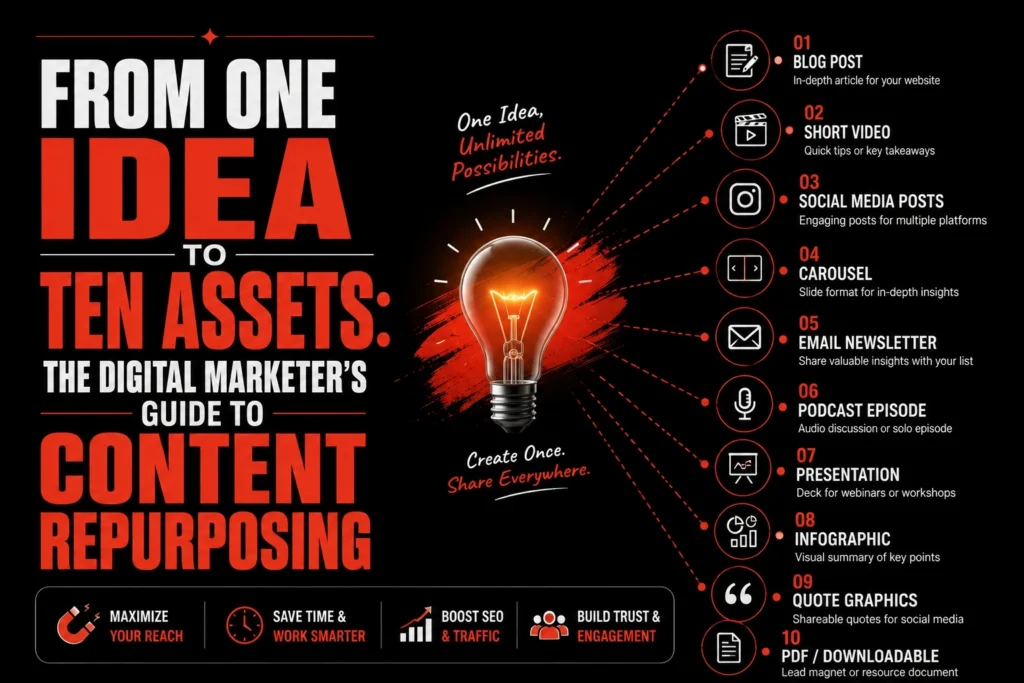
More Than Just a Website Feature business blogging Many businesses create a professional website, add their products or services, include an About page, and provide contact information. Then, they consider the website complete. However, a website can become much more powerful when it consistently provides useful and relevant information to its audience. This is where a blog becomes valuable. A blog gives your website the opportunity to grow continuously. Instead of remaining a collection of static pages, your website can regularly publish new ideas, industry insights, solutions, and helpful information. Consequently, a well-managed blog can support your digital marketing strategy, improve visibility, and create stronger connections with potential customers. Give Google More Reasons to Find You One of the strongest reasons to have a blog is search engine visibility. Search engines need valuable and relevant content to understand what your website offers. When you regularly publish useful articles around topics related to your business, you create more opportunities for your website to appear in search results. For example, a digital marketing website may have service pages for SEO, social media marketing, and Google Ads. However, a blog can target additional topics such as “How SEO Helps Small Businesses” or “Common Google Ads Mistakes.” Therefore, each blog post can become another potential entry point through which people discover your website. Turn Keywords Into Opportunities Keywords play an important role in helping the right audience find your content. A blog allows you to create focused content around questions, problems, and search terms that potential customers actively look for online. Instead of trying to place every keyword on a single service page, you can create individual articles around specific topics. Moreover, blogging allows you to target both broad and specific keywords. Broad keywords may attract a larger audience, while long-tail keywords can attract visitors with a clearer interest or intention. As a result, a consistent blogging strategy can help your website build a stronger and more diverse presence in search engines. Build Authority Before You Make the Sale People are more likely to trust businesses that demonstrate knowledge and expertise. A blog gives you a platform to explain your industry, answer important questions, and share valuable insights. Instead of simply telling visitors that you are an expert, you can demonstrate your expertise through useful content. For a digital marketer, this can include articles about SEO strategies, content marketing, social media trends, website optimization, and advertising techniques. Over time, visitors begin to recognize the value of your knowledge. Consequently, your blog can help establish your personal brand or business as a trusted source of information. Answer Your Audience Before They Ask Every business receives questions from potential customers. Some people want to understand the process, while others want to know about pricing, benefits, timelines, or common challenges. A blog allows you to answer many of these questions before a visitor even contacts you. For example, if clients frequently ask whether SEO takes a long time to produce results, you can create a detailed article explaining the process. Similarly, if people want to understand the difference between organic marketing and paid advertising, a blog post can provide the answer. Therefore, your content works as an informative resource that supports your audience at every stage. Create Content That Keeps Working Social media posts often have a short lifespan. A post may receive attention for a few hours or days before it disappears from your audience’s feed. Blog content, however, can continue attracting visitors for months or even years when it remains relevant and useful. This makes blogging a long-term content investment. A high-quality article can continue generating organic traffic while you focus on other areas of your business. Furthermore, you can update older articles with new information, statistics, and strategies. As a result, your content can continue delivering value over time. Fuel Your Entire Content Marketing Strategy A single blog post can become the foundation for multiple pieces of content. For instance, you can transform key points from an article into Instagram posts, LinkedIn content, short-form videos, email newsletters, carousels, and infographics. Therefore, blogging can make content creation more efficient. Instead of searching for completely new ideas for every platform, you can begin with one strong article and repurpose its insights into different formats. This approach helps you maintain consistency while saving valuable time and effort. Bring the Right People to Your Website Not every website visitor has the same purpose. Some visitors are ready to purchase, while others are still researching a problem. A blog helps attract people who are looking for information before they are ready to make a decision. By providing helpful content, you can introduce your brand to potential customers early in their journey. Then, through internal links, calls to action, and related services, you can guide interested readers toward the next step. Consequently, your blog can support the entire customer journey instead of focusing only on immediate sales. Strengthen Your Website’s Internal Structure A blog can also improve the structure of your website through internal linking. When you connect relevant blog posts to service pages and other useful resources, you make it easier for visitors to navigate your website. Additionally, internal links help search engines understand the relationship between different pages. For example, an article about content marketing can link to your content marketing service page. Similarly, an SEO article can connect readers to your SEO services. Therefore, a strategic internal linking structure can improve both user experience and website organization. Share Your Expertise and Unique Perspective Your website should represent more than your services. It should also communicate your perspective, experience, and understanding of your industry. A blog gives you the freedom to discuss topics that matter to your audience while presenting your unique approach. For example, two digital marketers may offer the same services, but their strategies, experiences, and opinions can be completely different. Through blogging, you can communicate what makes your approach unique. Consequently, your content can help differentiate you from competitors. A Blog Can Support Lead